
Gold’s Rebound Faltered — Here’s What Would Put the Recovery Back on Track
October 26, 202616 view(s)Gold's comeback hit a wall. Now, two key price levels could determine whether the next recovery gains traction—or falls short again.

Gold's comeback hit a wall. Now, two key price levels could determine whether the next recovery gains traction—or falls short again.
 byUnited States Gold Bureau
Read More

Copper outperformed silver in September despite forecasts of a global surplus. Here's why the location of copper stockpiles matters.
byUnited States Gold BureauRead More
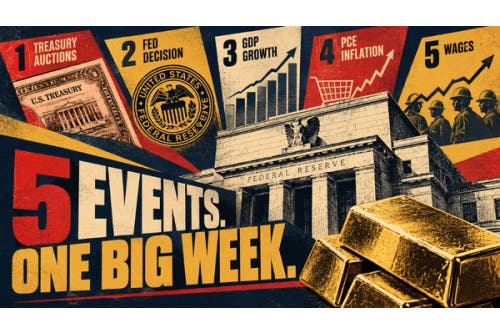
Five economic events. One potentially pivotal week for gold. From the Fed's rate decision to fresh inflation, GDP, and wage data, here's what investors should watch.
byUnited States Gold BureauRead More

Barrick's planned North American gold IPO could unlock $42 billion in value. Here's why existing shareholders may benefit before the new stock trades.
byUnited States Gold BureauRead More
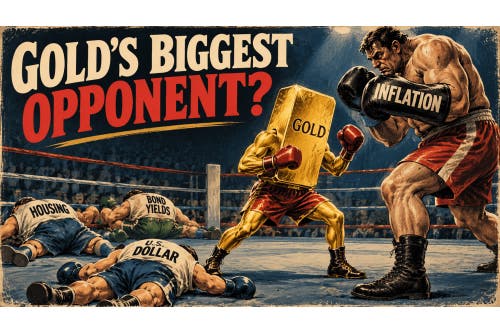
Housing starts fell, Treasury yields dropped, and the dollar weakened. So why did gold prices decline? Discover what's holding gold back and why inflation could determine its next move.
byUnited States Gold BureauRead More

Gold prices are climbing. So why aren't mining companies always cashing in? The answer may come down to who's paying the bills. From diesel and labor to equipment and construction, rising operating costs can eat into a gold miner's profits—even when the price of gold is soaring. But gold streaming companies like Wheaton Precious Metals operate under a different model. Instead of running mines, they provide upfront financing in exchange for the right to purchase future gold or silver production at agreed-upon prices. That distinction can make a significant difference when inflation drives mining costs higher. Explore how gold streaming compares with traditional mining stocks, who bears the burden of rising expenses, and why both investment models still carry risks.
byUnited States Gold BureauRead More
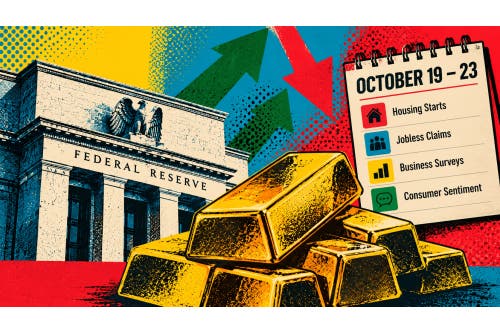
The Fed has gone silent. Gold hasn't gotten the memo. With inflation running at 3.7% and the Federal Reserve entering its pre-meeting blackout, five developments could determine where gold prices head next. From housing data and unemployment claims to fresh inflation signals, the week of October 19–23 could reshape expectations for interest rates—and gold's next move. Here are the five developments gold investors should be watching this week.
byUnited States Gold BureauRead More
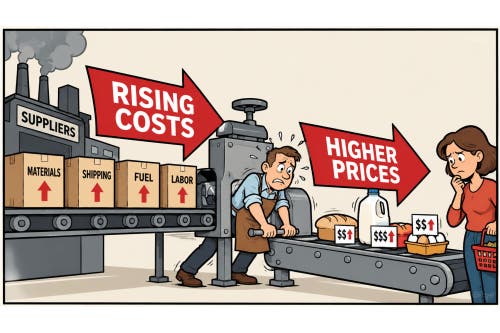
Inflation is squeezing Americans from both sides—and September's producer-price report just turned up the pressure. Producer prices surged 1.3% in September, the biggest monthly jump since March 2022. And the pressure goes well beyond gasoline. Businesses face higher operating costs. Consumers risk paying more. Meanwhile, cash loses purchasing power, and corporate profits can come under pressure. So where does physical gold fit into the equation? Discover what the latest inflation numbers reveal, why rising producer costs matter to investors, and how gold can play a different role in a diversified portfolio.
byUnited States Gold BureauRead More
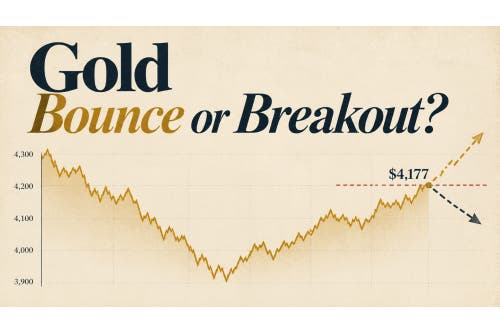
Gold took a punch from inflation. But it didn't stay down. After three straight sessions of losses, gold bounced back despite another surprisingly hot inflation report. A weaker U.S. dollar and falling Treasury yields helped fuel the recovery, pushing gold toward $4,177 an ounce. But here's the million-dollar question: Is this the beginning of a sustained gold rally, or just a temporary bounce before another pullback? We break down what's driving gold's rebound, the price levels worth watching, and what could determine whether the recovery has staying power.
byUnited States Gold BureauRead More

BRICS wants alternatives to the U.S. dollar, and Ghana's gold wealth could make it a valuable new partner. But would joining the coalition strengthen Ghana's economic independence—or simply trade one powerful influence for another? As Ghana explores BRICS membership, questions about foreign control, gold exports, and national sovereignty reveal why protecting its gold may matter more than choosing a new financial alliance.
byUnited States Gold BureauRead More